Microsoft Integrates Anthropic AI into Copilot, Opening New Chapter in Enterprise AI

Microsoft has taken a bold step in its AI strategy by integrating Anthropic’s Claude models into its flagship AI assistant, Copilot. This move, announced on September 24, marks the first time Microsoft is giving enterprise users the option to choose between AI models from OpenAI and Anthropic, a shift that could reshape the competitive landscape of enterprise AI
With the addition of Claude 4.1 Opus and Claude 4 Sonnet, Microsoft Copilot now supports multi-model functionality, allowing users to match tasks with the most appropriate AI engine..
Anthropic Models Now Available in Microsoft Copilot
Previously, Microsoft Copilot exclusively leveraged OpenAI’s large language models (LLMs) such as GPT-4 and GPT-4 Turbo. That exclusivity has now changed. The latest update introduces two powerful Claude models:
- Claude Opus 4.1: Anthropic’s most advanced model, designed for complex tasks, deep reasoning, and technical problem-solving.
- Claude Sonnet 4: A faster, more cost-effective option for common enterprise tasks like content generation, data summarisation, and business communications.
These models are now available within Copilot for Microsoft 365, which includes popular tools like Word, Excel, Outlook, and Teams.
Why This Move Matters
This decision to open Copilot to Anthropic models signals a strategic shift in Microsoft’s AI ecosystem. Here’s why it’s important:
- Diversification: By including Anthropic, Microsoft is reducing its reliance on a single AI provider (OpenAI) and giving customers more flexibility.
- Customer-Centric Innovation: Different models excel at different tasks. Now, users can choose the model that best fits their needs, Opus for in-depth analysis, Sonnet for lighter workloads.
- Competitive Positioning: Microsoft is signaling a commitment to openness and model-agnostic innovation, setting itself apart from other vendors with more closed systems.
Microsoft’s CTO Kevin Scott has previously hinted at a future where users can “bring their own models” to Copilot. This integration could be the first major step in that direction.
Enterprise Use Cases: What This Unlocks
The addition of Claude models enables businesses to tailor Copilot’s performance to their specific workflows:
Use Claude Opus for tasks like:
- Legal document review
- Financial modelling
- Strategic planning
Use Claude Sonnet for:
- Drafting emails and reports
- Summarising meeting transcripts
- Automating customer communications
In practice, organisations can mix and match models within a single workflow using Sonnet to generate content and Opus to refine it.
What This Means for OpenAI and Microsoft
While Microsoft remains OpenAI’s largest investor and infrastructure provider, this update hints at a more independent trajectory for both companies.
- Microsoft gains flexibility and can now play multiple AI vendors against each other to optimise performance and pricing.
- OpenAI may face increased pressure to maintain its edge, especially as Claude gains recognition for its reasoning and safety capabilities.
- Anthropic, backed by Google and Amazon, benefits from immediate exposure to Microsoft’s massive enterprise user base.
It’s a complex web of alliances and this move shows that Microsoft is keeping its options open.
Risks and Challenges
Multi-model support is powerful, but not without trade-offs:
- User Complexity: Business users may struggle to understand which model to use for what.
- Inconsistency: Each model has different tones, capabilities, and response behaviors.
- Governance: IT teams will need tools to monitor and manage model usage, cost, and compliance.
Microsoft will need to invest in guidance, analytics, and guardrails to ensure businesses get the most out of this flexibility without introducing chaos.
The Road Ahead
This update is likely the beginning of a broader trend. Here’s what to watch in the coming months:
- Will Microsoft allow even more models, such as Meta’s Llama or Mistral?
- How will OpenAI respond to the growing popularity of Claude models?
- Will customers start favouring Claude Opus over GPT-4 for certain high-value enterprise use cases?
The AI assistant space is heating up, and Microsoft just made it clear it’s not betting on a single horse.
Final Thoughts
With the integration of Anthropic’s Claude models into Copilot, Microsoft is embracing a multi-model future, one that empowers enterprises to optimise their AI experiences with more control and precision. It also signals a potential shift in the balance of power among today’s AI giants.
For businesses, the message is clear: AI is no longer one-size-fits-all. And with Copilot, Microsoft is letting you decide which intelligence works best for your needs.
Keep reading
Related insights.

Microsoft Copilot Bug Exposed Confidential Emails, Raising Privacy and Security
Microsoft has confirmed a software bug in its Microsoft 365 Copilot AI assistant that allowed the system to process confidential customer emails despite safeguards designed to prevent this.
Agentic AI and the Future of Creative Collaboration in Business
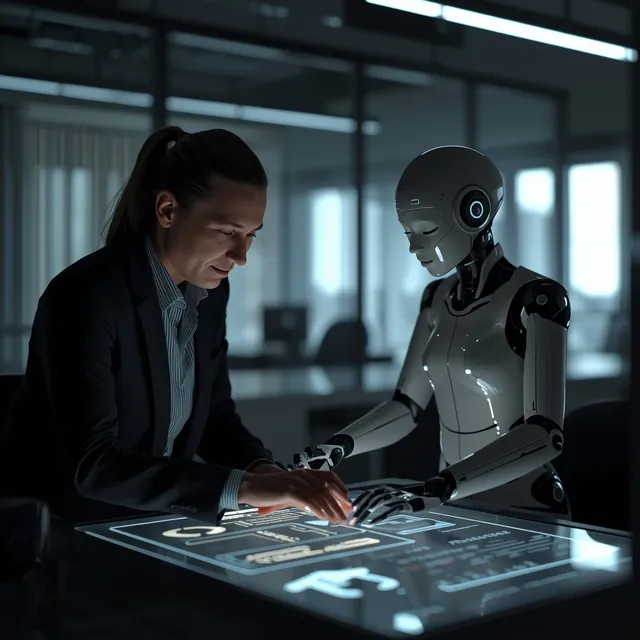
Artificial intelligence is advancing at an unprecedented pace and the next major shift is not simply more powerful chatbots, but the rise of agentic AI systems that can plan, decide, and act independently toward defined goals.

OpenAI Launches Frontier Transforming
OpenAI has unveiled Frontier, a new enterprise platform that changes how businesses build, manage, and scale AI agents. These agents are autonomous digital workers designed to complete complex tasks with limited human input.